
The Complete Guide to Celtic Harps
History, Selection, and Playing
At New England Strings, our renowned harp specialist, Oren, has helped countless musicians discover the perfect Celtic harp for their journey. With our Vermont harp center serving harpists throughout New England, we've witnessed firsthand how these magnificent instruments transform lives and connect players to centuries of musical tradition. Whether you're a seasoned professional, an enthusiastic beginner, or a dedicated hobbyist, our expertise in Celtic harps, lever harps, and folk harps ensures you'll find exactly what you need. Below, we've compiled our comprehensive guide to help you understand and appreciate these beautiful instruments.
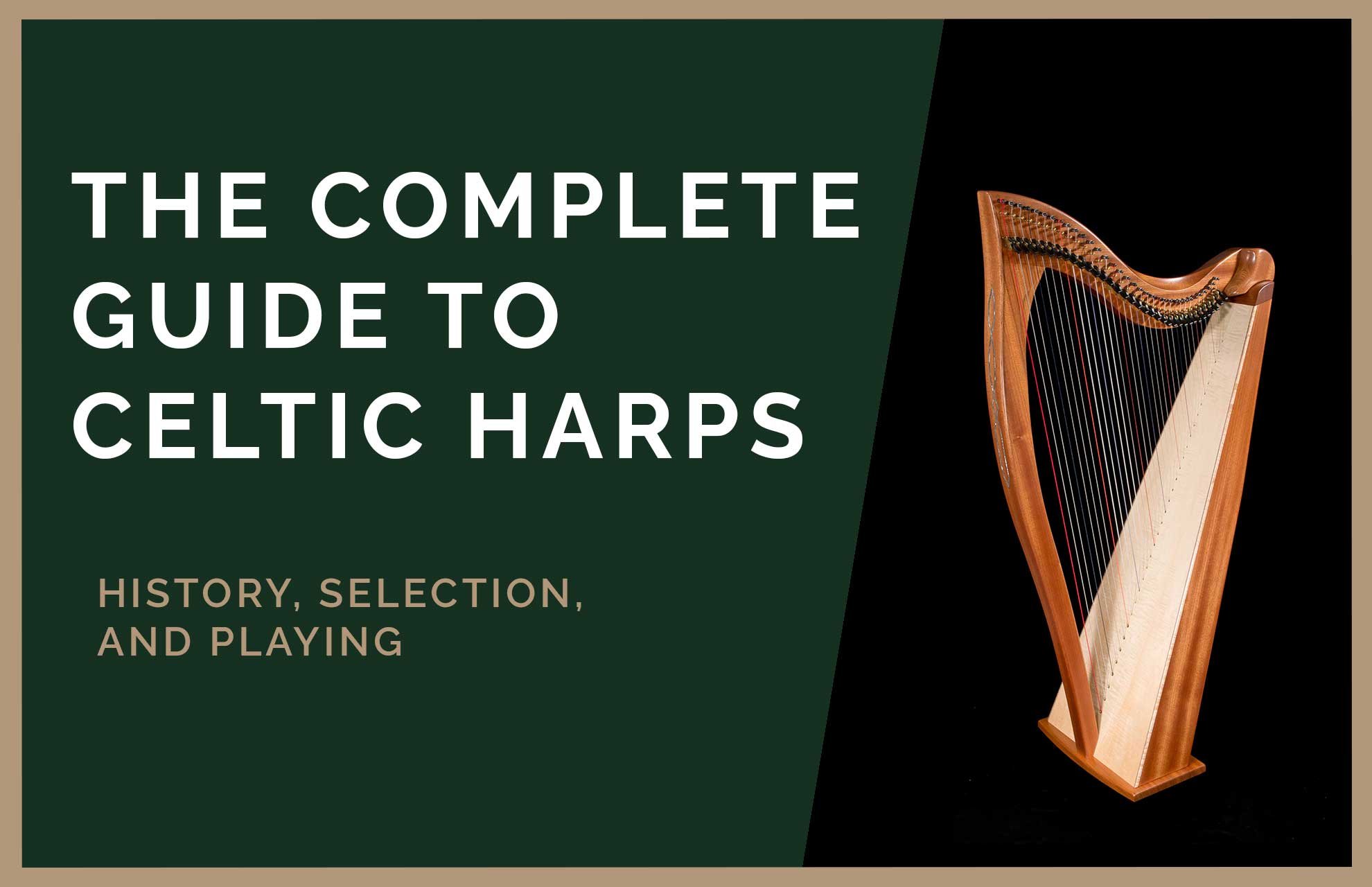
The Celtic harp, with its distinctive curved neck and enchanting tone, has captivated musicians and audiences for centuries. Also known as the Irish harp, folk harp, or lever harp, this beautiful instrument connects us to ancient musical traditions while remaining relevant in modern performance. Whether you're drawn to traditional Celtic music or simply love the harp's ethereal sound, understanding this instrument's rich heritage and practical considerations will enhance your appreciation and guide your journey as a player.
The Ancient History of the Celtic Harp
The Celtic harp's story stretches back over a thousand years, deeply woven into the cultural fabric of Ireland, Scotland, and Wales. Medieval harpers held prestigious positions in royal courts, their music accompanying everything from celebrations to historical recitations. These musicians were not merely entertainers but respected artists who preserved oral traditions and provided the soundtrack to Celtic life.
The most famous historical Celtic harp, the Brian Boru harp (also called the Trinity College harp), dates to the 14th or 15th century and has become an enduring symbol of Irish heritage, appearing on Irish coins and the Guinness logo. Unlike modern harps, early Celtic harps were smaller, strung with metal wires rather than gut or nylon, and produced a distinctive bright, bell-like sound that could carry across great halls.
During the 17th and 18th centuries, the Celtic harp tradition nearly disappeared as political upheaval disrupted patronage systems and cultural practices. However, the late 19th and 20th centuries saw a remarkable revival, with instrument makers, musicians, and cultural organizations working to restore this important musical heritage. Today's Celtic harps honor historical designs while incorporating modern improvements in construction and playability.
What Makes a Celtic Harp Unique?
Celtic harps possess several distinctive features that set them apart from other harp types and contribute to their characteristic sound and playing style.
Design and Construction
The most recognizable feature of Celtic harps is their gracefully curved neck, sweeping forward from the pillar in an elegant arc. This design isn't merely aesthetic – the curve provides structural strength while creating a distinctive silhouette. Traditional Celtic harps featured a hollowed-out soundbox carved from a single piece of wood, though modern instruments typically use constructed soundboards for consistency and cost-effectiveness.
Contemporary Celtic harps range from small 22-string models suitable for beginners to full-size 40-string instruments offering professional-level range and capabilities. The string count directly impacts both the musical possibilities and the physical size of the instrument. Most players find 30 to 36 strings provides an excellent balance of range, portability, and repertoire access.
Lever Mechanism
Modern Celtic harps typically feature individual levers on each string, giving them the alternative name 'lever harps.' These small mechanical devices, when engaged, shorten the vibrating length of the string to raise its pitch by a half-step. This innovation, developed in the 20th century, dramatically expanded the Celtic harp's versatility.
Before playing, harpists tune their instrument to a base key (commonly E-flat major) and then use the levers to change keys as needed during performance. While not as instantly flexible as a pedal harp's mechanism, levers provide surprising versatility once you understand how to use them effectively. Players can quickly flip levers between songs or even mid-piece for key changes, opening up a vast repertoire.
Sound Character
Celtic harps produce a warm, intimate tone that perfectly complements folk music and creates a sense of connection between player and listener. The sound is less projecting than a concert grand pedal harp but more present and resonant than a small lap harp. Many describe the Celtic harp's voice as 'singing' or 'speaking,' with a quality that feels particularly suited to storytelling and emotional expression.
String material significantly influences the sound. Nylon strings offer a mellow, gentle tone and are easier on the fingers, making them popular with beginners. Gut strings provide a more complex, nuanced sound valued by advanced players and those pursuing historical authenticity. Some modern Celtic harps feature carbon fiber or fluorocarbon strings, combining durability with excellent tonal qualities.
Celtic Harps for Sale: Choosing Your Instrument
With numerous manufacturers producing Celtic harps at various price points, selecting the right instrument requires understanding what features matter most for your situation.
Beginner Celtic Harps
New players should look for instruments with 26 to 34 strings, which provides sufficient range for most beginner and intermediate repertoire without overwhelming complexity. Entry-level Celtic harps typically range from $1,500 to $3,500 and offer good construction quality and playability. While they may lack some of the tonal sophistication of higher-end models, quality beginner harps allow students to develop proper technique and musical understanding.
Important features for beginners include comfortable string spacing, moderate string tension that's not too stiff or too loose, clear, even tone across all strings, and reliable levers that engage cleanly. The harp should also feel stable when playing and not too heavy if you plan to transport it regularly.
Intermediate and Advanced Celtic Harps
As players advance, they often seek instruments with extended range, superior tonal qualities, and refined craftsmanship. Professional-quality Celtic harps typically feature 36 to 40 strings, premium tonewoods like Sitka spruce soundboards and maple bodies, precise lever action that engages reliably, and beautiful decorative details. These instruments range from $4,000 to $10,000 or more, representing significant craftsmanship and materials.
Respected Celtic harp makers include Dusty Strings, Triplett, Heartland, Stoney End, and many skilled independent builders. Each manufacturer has its own voice and design philosophy, so trying multiple brands helps you find the sound that speaks to you. Advanced players often develop strong preferences for particular makers whose instruments match their musical style and technical approach.
Making Celtic Harp Ownership Accessible
The investment required for a quality Celtic harp can feel daunting, but several options make ownership more achievable than you might expect.
Financing Options
Many harp dealers recognize that instruments represent a significant investment and offer financing plans that spread the cost over time. For Celtic harps priced over $1,500, you can often arrange monthly payments that fit comfortably within your budget. This approach allows you to invest in a higher-quality instrument that will serve you better and maintain its value, rather than compromising on an inadequate harp simply to minimize upfront cost.
Financing terms typically range from 12 to 60 months with competitive interest rates. The ability to spread payments makes the difference between settling for a beginner model that you'll quickly outgrow and investing in an instrument that will support your musical development for years or even decades.
Rent-to-Own Programs
Harp rental programs offer an excellent pathway into Celtic harp ownership. These arrangements allow you to begin playing immediately while your monthly rental payments build equity toward purchasing the instrument. This approach provides multiple advantages: you can ensure you're committed to the harp before making a major purchase, you have time to save additional funds if desired, and you're playing and progressing musically from day one rather than waiting until you can afford to buy.
Rental programs typically include maintenance support and sometimes even string replacements, giving you peace of mind as you learn. For families with children interested in the harp, renting provides a way to support that interest without the financial risk if the child's attention shifts to other pursuits.
Learning to Play the Celtic Harp
The Celtic harp's approachability makes it an excellent choice for adult beginners and younger students alike. While mastering the instrument requires dedication like any musical pursuit, getting started and producing beautiful sounds happens relatively quickly.
Basic Technique
Celtic harp technique emphasizes graceful hand position, controlled finger movement, and gentle but precise plucking. Players use primarily four fingers of each hand (excluding pinkies), developing independence and coordination. The instrument sits against your shoulder with the harp tilted back against your body, creating an intimate connection between player and instrument.
Unlike many instruments where producing a pleasant tone takes months of practice, harp students can create beautiful sounds from their first lesson. This immediate gratification helps maintain motivation during the early learning phase. However, developing true fluency – smooth hand coordination, dynamic control, and the ability to bring out the melody while supporting it with accompaniment – requires consistent practice over months and years.
Celtic Harp Repertoire
The traditional Celtic harp repertoire includes jigs, reels, airs, and song accompaniments drawn from Irish, Scottish, and Welsh traditions. These pieces range from simple melodies perfect for beginners to complex arrangements that challenge advanced players. The music often tells stories – of love, loss, celebration, and connection to the land – making it emotionally rewarding to perform.
Beyond traditional Celtic music, lever harps excel at folk music from various traditions, hymns and spiritual music, contemporary arrangements, early music and Renaissance compositions, and simplified classical pieces. Many modern composers write specifically for Celtic harp, expanding the repertoire with fresh perspectives while honoring the instrument's character.
The Celtic Harp Community
One of the unexpected joys of playing Celtic harp is joining a welcoming and supportive community of fellow enthusiasts. Harp circles, workshops, and festivals provide opportunities to meet other players, learn from experienced musicians, and share the joy of making music together.
Many regions host regular harp circles where players of all levels gather to play together. These informal sessions create a supportive environment for trying new music, improving sight-reading skills, and building confidence as a performer. Online communities also flourish, offering forums for questions, technique tips, and encouragement.
Celtic harp festivals and conferences happen throughout the year in various locations, featuring concerts, workshops, competitions, and opportunities to try different harps from multiple manufacturers. These events immerse you in harp culture and provide concentrated learning experiences that can dramatically accelerate your development.
Taking the Next Step
If the Celtic harp calls to you, there's never been a better time to begin. Modern instruments offer excellent quality at various price points, learning resources abound both in-person and online, and the supportive harp community welcomes new players with enthusiasm.
Don't let concerns about cost prevent you from exploring this beautiful instrument. With financing available for harps over $1,500 and rent-to-own programs that let you start playing immediately, owning a Celtic harp is more accessible than many people realize. The investment you make opens the door to a lifetime of musical expression, connection to ancient traditions, and the simple pleasure of creating beautiful sounds.
Whether you're drawn to traditional Celtic music, contemporary compositions, or simply the harp's enchanting voice, taking that first step will lead you on a rewarding musical journey. The Celtic harp waits to share its song with you.
At New England Strings, we're passionate about helping musicians find their perfect Celtic harp. Our Vermont harp center features a carefully curated selection of quality lever harps, folk harps, and Celtic harps from respected manufacturers. Our harp specialist Oren brings years of expertise to every consultation, taking the time to understand your musical goals and budget before recommending instruments. We're proud to offer flexible financing on harps over $1,500 and rent-to-own programs that make harp ownership accessible to everyone. Visit New England Strings in Vermont or contact us today to discover why harpists throughout New England trust us for expert guidance, quality Celtic harps for sale, and exceptional customer service. Your harp journey begins here.
