
Pedal Harp vs Lever Harp
Which One Is Right for You?
Choosing between a pedal harp and a lever harp represents one of the most important decisions you'll make as a harpist. These two instrument types differ significantly in design, capabilities, cost, and the musical paths they open. Understanding these differences will help you select the harp that best matches your goals, lifestyle, and musical aspirations. This comprehensive guide explores both instrument types to help you make an informed choice.
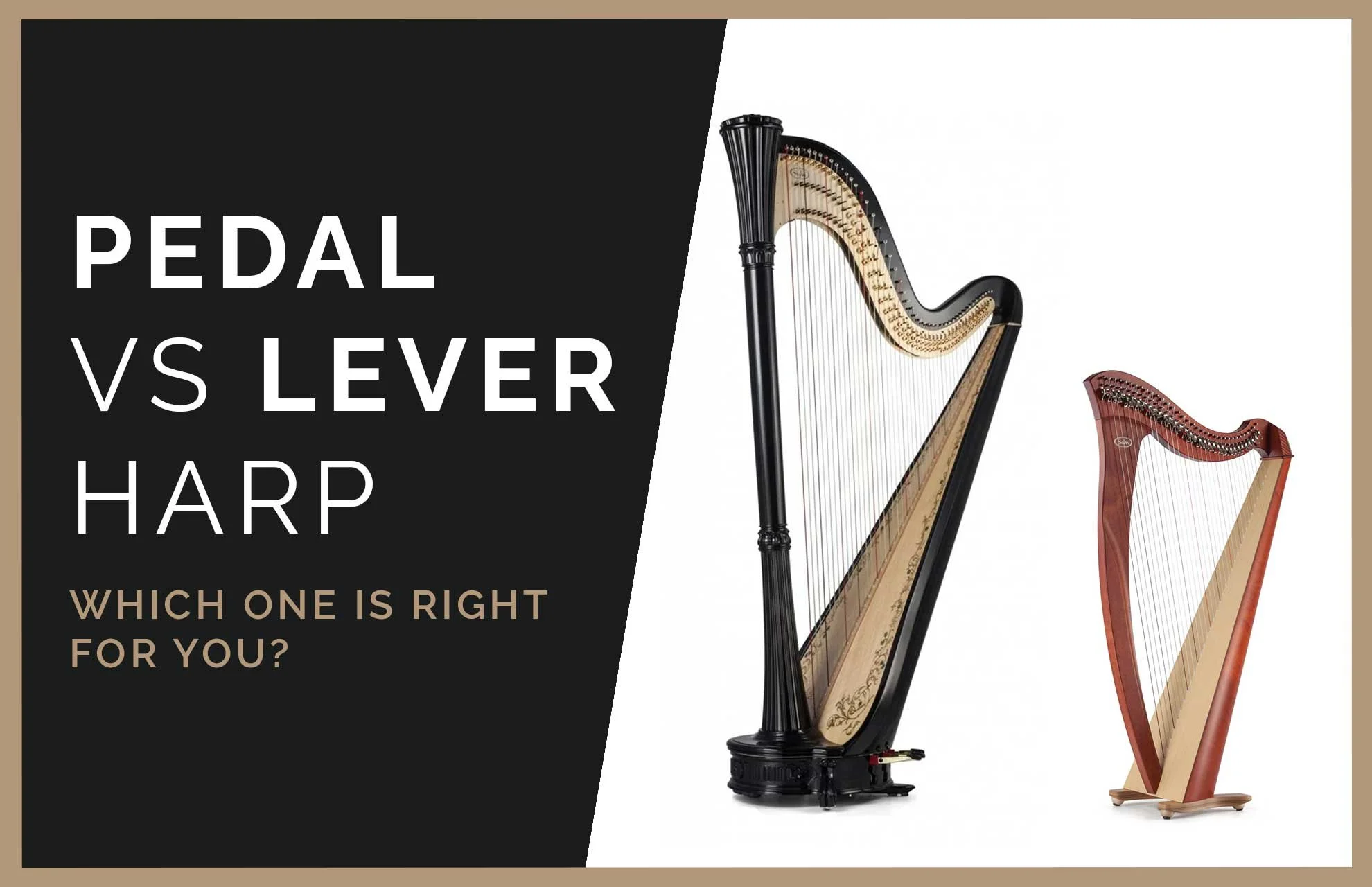
Understanding the Fundamental Differences
Before diving into specific comparisons, it's essential to understand what sets these two harp types apart at their core.
What Is a Lever Harp?
Lever harps, also called folk harps or Celtic harps, typically feature 22 to 40 strings and range in height from about three to five feet. Each string has an individual mechanical lever that, when engaged, shortens the vibrating length to raise the pitch by a half-step. Players set the base tuning (commonly E-flat major) and then use levers to create accidentals and change keys.
The lever harp's design connects to centuries of folk music tradition, particularly from Ireland, Scotland, and Wales. These instruments produce a warm, intimate tone that complements folk music, Celtic repertoire, and many contemporary pieces. Lever harps are portable enough to travel with, affordable relative to pedal harps, and accessible for players at all levels.
What Is a Pedal Harp?
Pedal harps are the grand instruments seen in orchestras and concert halls. Standing approximately six feet tall with 47 strings spanning six and a half octaves, these magnificent instruments feature seven pedals at the base. Each pedal controls all strings of one note name throughout the harp's range, with three positions: flat, natural, and sharp. This ingenious mechanism allows instantaneous key changes and complex chromatic passages.
The pedal harp evolved specifically to meet the demands of classical music, particularly as compositions became more chromatic and modulated frequently between keys. The instrument's powerful, projecting tone can fill large concert venues, while its mechanical sophistication enables the rapid key changes required in Romantic and modern classical repertoire.
Musical Capabilities and Repertoire
The type of music you want to play should heavily influence your choice between these instruments.
Lever Harp Musical Strengths
Lever harps excel in folk music traditions, Celtic repertoire including jigs, reels, and airs, hymns and spiritual music, contemporary folk and singer-songwriter accompaniment, Renaissance and early music, and simplified classical arrangements. The instrument's character particularly suits music that stays within one or two keys, allowing the player to set levers before beginning.
While lever harps can technically play chromatic music and handle key changes, doing so requires stopping to adjust levers manually. This limitation shapes the repertoire choices but doesn't prevent accomplished players from performing remarkably sophisticated music. Many professional folk and Celtic musicians build entire careers on lever harp, demonstrating the instrument's versatility within its design parameters.
Pedal Harp Musical Strengths
Pedal harps open the door to the full classical harp repertoire, including works by Mozart, Debussy, Ravel, and countless other composers. The pedal mechanism's sophistication enables seamless modulations, complex chromatic passages, and the rapid accidental changes required in advanced classical music. Orchestra harpists, concert soloists, and performers of art music almost universally play pedal harps.
Beyond classical music, pedal harps adapt to jazz, musical theater, contemporary classical composition, and virtually any musical style where chromatic flexibility and extended range prove valuable. The instrument's larger size and powerful projection make it ideal for ensemble playing and large venues.
Physical Considerations
The practical aspects of owning and playing each instrument type significantly impact daily experience and long-term satisfaction.
Size and Portability
Lever harps range from 50 to 80 pounds, fitting in most vehicles with seats folded down. Many players transport their lever harps regularly for lessons, performances, and gatherings. The smaller footprint also makes them suitable for apartments and homes with limited space.
Pedal harps weigh 75 to 90 pounds and stand six feet tall, requiring a van or truck for transportation. Professional movers or specialized harp carts become necessary for frequent movement. The instrument needs substantial floor space and adequate ceiling height, making it impractical for some living situations. These logistical challenges don't diminish the pedal harp's magnificence but do require consideration.
Learning Curve and Technique
Both instruments share fundamental harp technique – hand position, finger independence, and sound production principles remain consistent. However, pedal harp adds the complexity of coordinating foot movements with hand playing. Pedal changes require planning, muscle memory, and split-second timing while maintaining musical flow. This additional layer demands significant practice to master.
Lever harp technique focuses on planning lever changes strategically, often during rests or sustained notes. While simpler than pedal coordination, effective lever use requires musical understanding and preparation. Many teachers recommend beginning students start on lever harp to establish solid fundamental technique before adding pedal complexity.
Cost Comparison
Financial investment differs dramatically between these instrument types, affecting accessibility for many aspiring harpists.
Purchase Prices
Quality lever harps range from $1,500 for solid beginner instruments to $10,000 for professional models with extended range and premium craftsmanship. This range allows players at various budget levels to find suitable instruments. Entry-level pedal harps start around $8,000, with student models typically costing $12,000 to $20,000. Professional pedal harps range from $20,000 to over $100,000, representing extraordinary craftsmanship and materials.
The significant price difference reflects the pedal harp's mechanical complexity, larger size, extensive materials, and the hundreds of hours required for construction. While the investment is substantial, financing options make quality harps more accessible. Many dealers offer payment plans for instruments over $1,500, allowing you to spread the cost over 12 to 36 months with manageable monthly payments.
Ongoing Costs
Maintenance expenses scale with instrument size and complexity. Lever harps require annual or semi-annual regulation, string replacement as needed, and occasional repairs, typically totaling $200 to $400 annually. Pedal harps need more frequent professional regulation due to their complex mechanism, complete string replacement every few years, and potential mechanical repairs, often totaling $500 to $1,000 or more annually.
Career and Performance Paths
Your professional aspirations should heavily influence your choice, as certain opportunities require specific instrument types.
Professional Opportunities with Lever Harp
Lever harp professionals thrive in Celtic music performance, folk festivals and coffeehouses, wedding and event performances, therapeutic harp practice, recording studio work for folk and contemporary music, and teaching. Many successful musicians build fulfilling careers around lever harp, particularly in Celtic music communities and therapeutic settings.
Professional Opportunities with Pedal Harp
Pedal harp opens doors to symphony orchestras, opera companies, chamber music ensembles, university teaching positions, solo concert performance, and recording work for classical and film scores. Most conservatory and university harp programs focus primarily on pedal harp, as does professional orchestral work. If classical performance career aspirations drive you, pedal harp becomes necessary.
Making Your Decision
Several key questions can help clarify which instrument suits you best:
What musical style draws you most strongly? If classical music and orchestral repertoire call to you, pedal harp makes sense. If folk traditions, Celtic music, or contemporary styles attract you, lever harp offers everything you need. Where do you plan to play? Consider your living space, transportation capabilities, and performance venues. Do you aspire to professional performance? Research career paths in your musical genre to understand instrument requirements.
What is your realistic budget? Remember that financing options and rent-to-own programs make quality instruments more accessible than upfront pricing might suggest. Are you comfortable with the complexity? Honestly assess whether pedal coordination appeals to you or feels overwhelming. Many players find joy in lever harp's relative simplicity, while others embrace pedal harp's technical challenges.
The Path Forward
Many successful harpists begin with lever harp and later add pedal harp if their musical direction demands it. This progression allows you to develop fundamental technique, explore your musical interests, and make informed decisions based on experience rather than guesswork. Others know from the start that classical music and pedal harp represent their destiny and commit to that path immediately.
Neither choice is inherently superior – they serve different musical purposes and personal preferences. The best harp for you is the one that matches your musical goals, fits your lifestyle, and inspires you to play every day.
Don't let financial concerns alone drive your decision. With financing available for harps over $1,500 and rent-to-own programs that build equity while you play, owning either type of harp is more achievable than many people realize. The investment you make opens doorways to musical expression, personal fulfillment, and lifelong learning.
Take time to try both instrument types if possible, consult with teachers and experienced players, research the repertoire that excites you, and trust your instincts. The right harp waits to become your musical voice.
